The Kitchen Affair

Guides for kitchens worth getting right.

Everything we explain in consultations, written down: honest brand comparisons, appliance deep-dives, and the planning knowledge that protects a significant project. No prices, no promotion — specification thinking you can hold us to.

Planning & Process
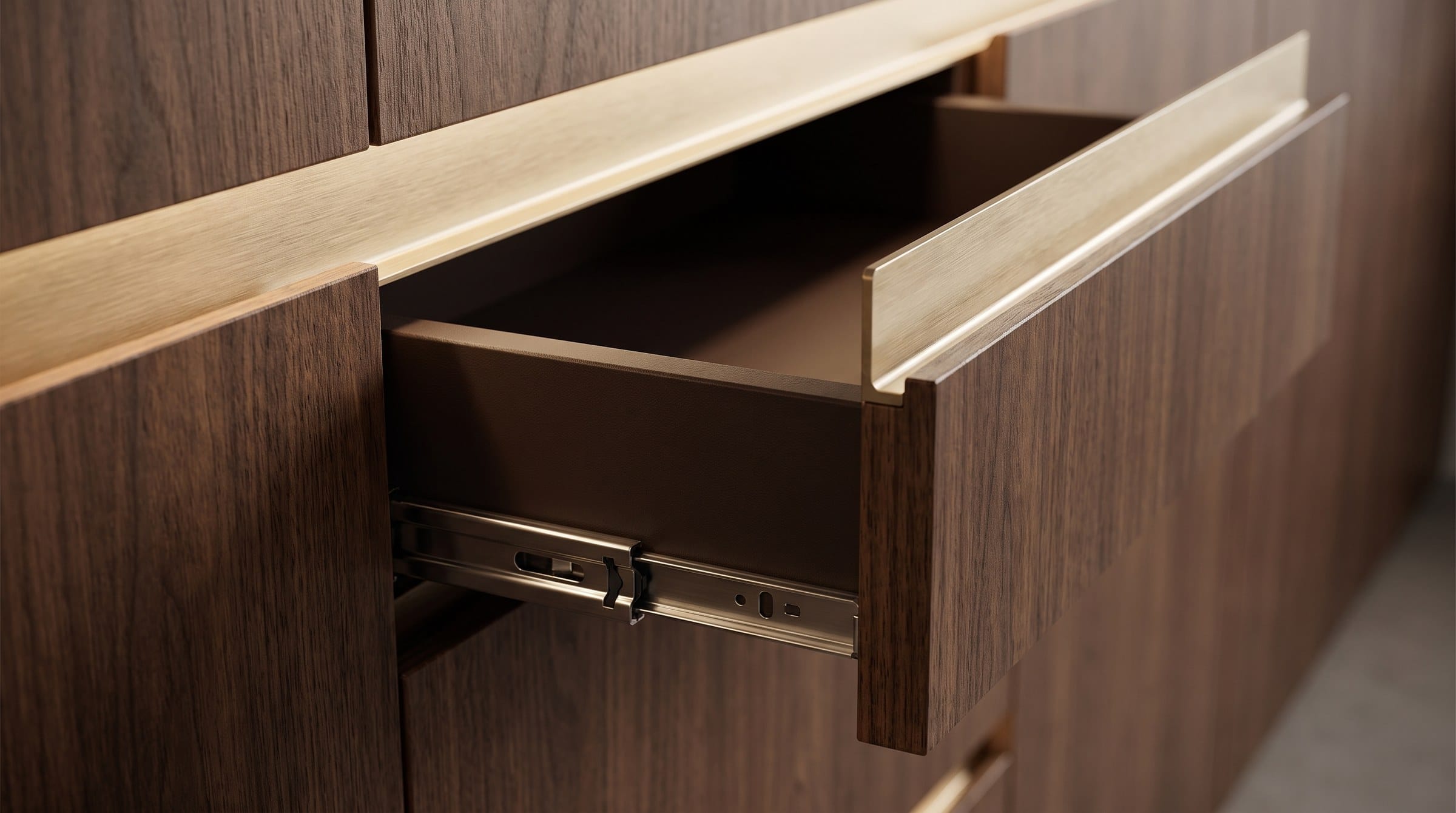
Walnut drawers and brass details in a dark architectural kitchen

9 minute read

How to Plan a Luxury Kitchen: From First Brief to First Dinner

Every regret we hear in consultations has the same shape: a decision made in the wrong order. The oven chosen after the cabinetry was built, so the aperture dictated the instrument. The extraction considered after the slab was cast. The lighting left to the electrician’s default grid. A luxury kitchen is not a shopping list — it is a sequence, and the sequence is the difference between a collection of beautiful products and a room that works for twenty years. Here is the order that protects you, and who should be responsible for each movement.

7 minute read

The Realistic Timeline of a Luxury Kitchen in South Africa

The uncomfortable truth first: a full luxury kitchen in South Africa takes three to nine months from first drawing to first dinner, and the projects that finish on the early side are the ones that respected the sequence rather than rushed it. The long poles are almost never the builders — they are the imports: made-to-order European cabinetry at ten to sixteen weeks, flagship appliances at eight to sixteen, both moving by sea and both hostage to the order date. Plan around those two clocks and everything else arranges itself. Here is the honest schedule, stage by stage.

Travertine, walnut and brass material samples on a dark stone island

8 minute read

Imported European Cabinetry vs Local Bespoke Joinery

Cabinetry is usually the largest single line in a luxury kitchen budget, and it presents the project’s most philosophical choice. On one side, the great European systems — bulthaup and Poggenpohl from Germany, Boffi and Poliform from Italy — offer industrial perfection: engineered internals, surfaces and tolerances no workshop can match, designed as complete architectural systems. On the other, South Africa’s best bespoke joiners offer what no factory can: site-specific freedom, solid local timber, a maker you can phone. Neither answer is simply better; they are different bets, and the strongest projects often refuse to choose. Here is the honest comparison.

Appliance Guides

7 minute read

Steam and Combi-Steam Ovens, Explained

Ask a chef which single appliance they would take home and the answer, with surprising consistency, is the combi-steam oven. Steam cooking is not a health-food accessory — it is a different physics of heat. Moist air transfers energy faster and more gently than dry air, which is why fish stays silk, vegetables keep their colour and their minerals, yesterday’s bread returns from the dead, and a roast chicken emerges with custard-soft flesh under proper crackling. The combi-steam — steam and convection in one cavity, used together or apart — has quietly become the most versatile instrument in the luxury kitchen. Here is what it does, who builds it best, and how to specify one.

8 minute read

Induction vs Gas in South Africa: Power, Performance and Compliance

In Europe the induction-versus-gas debate is about cooking feel. In South Africa it is also about the grid. The honest answer for most luxury kitchens here is nuanced: induction is the superior everyday cooking technology — faster, cleaner, safer, more precise — but it draws serious current, and a kitchen that goes dark with the grid is a design failure. Gas cooks through any outage but brings compliance obligations and a different flavour of maintenance. The best South African kitchens increasingly refuse the either/or: a considered dual-fuel composition, sized against the home’s backup power, delivers both.

7 minute read

Downdraft Extraction vs Hoods: Clearing the Air in Open-Plan Kitchens

Extraction is the least glamorous decision in a luxury kitchen and the one most capable of ruining it — an island kitchen that smells of last night’s fish has failed, whatever it cost. Three architectures compete: downdraft systems that pull vapour downward at the cooktop (the category BORA created), ceiling-integrated cassettes that disappear entirely, and the classic hood, which modern design treats either as a statement or as something to hide. The right answer depends on your ceiling, your slab and your cooking — and it must be chosen before services are cast in concrete, which is why this guide exists.

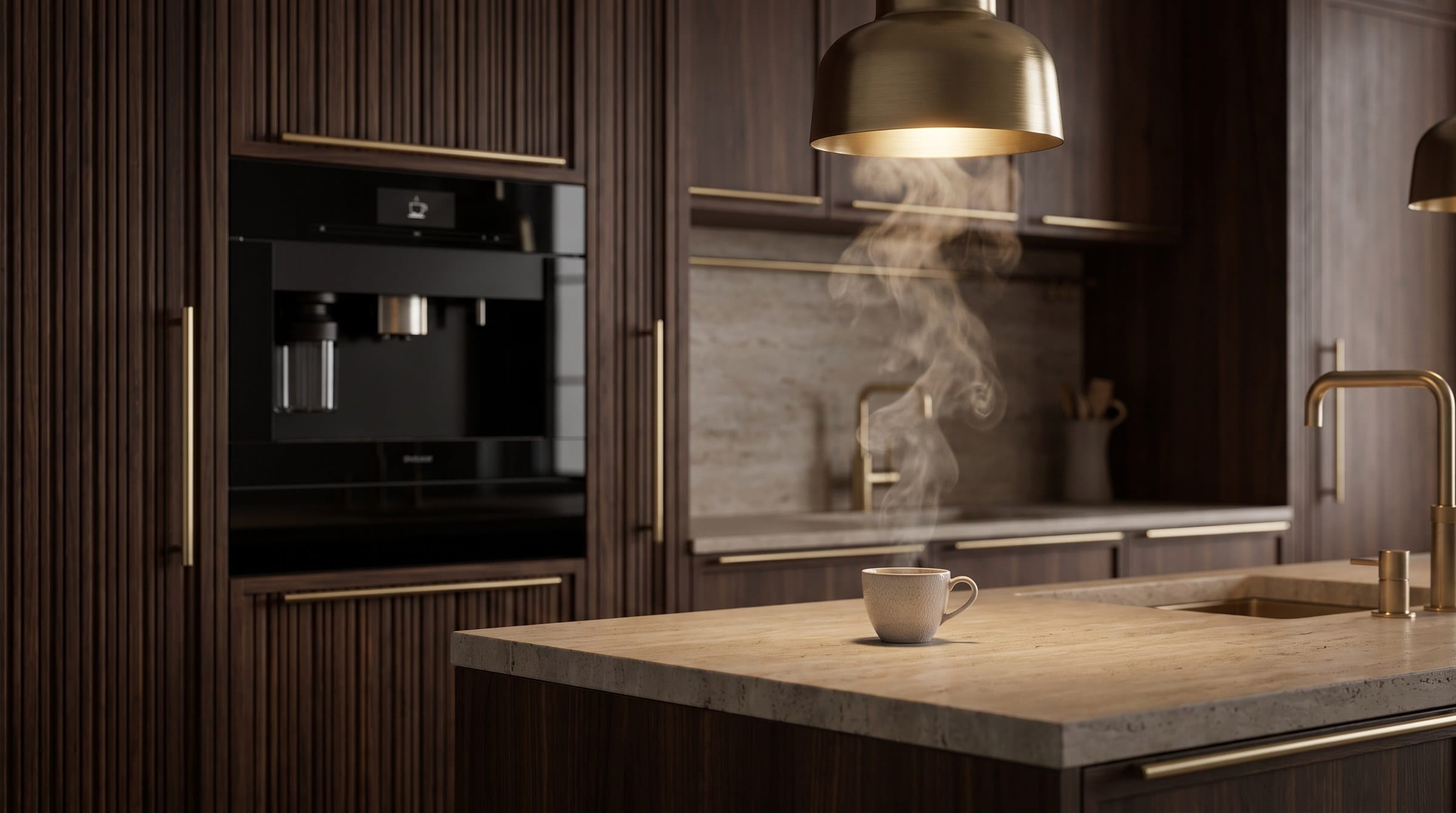
A built-in coffee machine glowing warmly in dark cabinetry

7 minute read

Built-In Coffee Machines: Miele, Gaggenau, Jura and How to Choose

The first ten minutes of the day deserve engineering. A built-in coffee machine — plumbed, flush with the cabinetry, warm-lit at 6am — is one of the most-used luxury appliances in any kitchen, and one of the most misunderstood purchases. The genuine choice is between three philosophies: Miele and Gaggenau building the machine into the architecture; V-ZUG doing the same with Swiss restraint; and Jura making the case that the best machine need not be built in at all. Here is how to choose, including the plumbing and maintenance questions your barista never mentions.

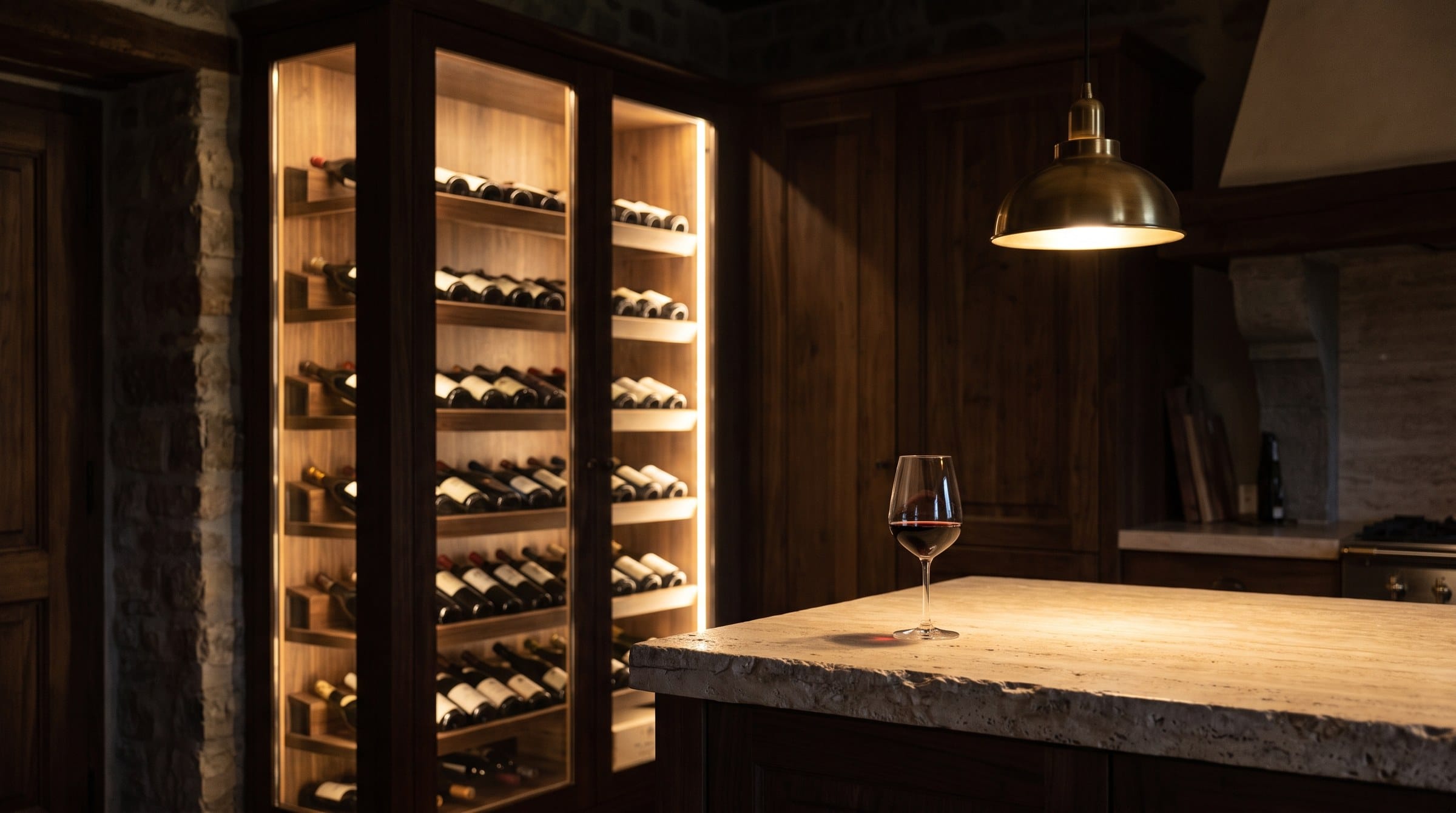
A wine climate cabinet glowing in dark cabinetry beside a travertine island

7 minute read

Wine Cabinets and Cellar Conditioning: Storing Wine Properly at Home

South Africans build serious cellars in a country that makes serious wine and then, too often, store the good bottles in a kitchen that swings ten degrees between lunch and dinner. Wine asks for four things: constant cool temperature, decent humidity, darkness and stillness. A domestic refrigerator provides none of them well. The real decision is between wine climate cabinets — precise, integrated, immediate — and a conditioned cellar or walk-in wine room for collections that have outgrown furniture. Here is how to think about both, and how the serious houses differ.

The flagship reference

Start with the numbers: the Luxury Kitchen Cost Guide South Africa maps the five investment bands every project lives in.

Reserve a Private Consultation