Cabinetry — imported system or local hands
Updated 7 July 2026 · By The Kitchen Affair atelier · 8 minute read
Cabinetry is usually the largest single line in a luxury kitchen budget, and it presents the project’s most philosophical choice. On one side, the great European systems — bulthaup and Poggenpohl from Germany, Boffi and Poliform from Italy — offer industrial perfection: engineered internals, surfaces and tolerances no workshop can match, designed as complete architectural systems. On the other, South Africa’s best bespoke joiners offer what no factory can: site-specific freedom, solid local timber, a maker you can phone. Neither answer is simply better; they are different bets, and the strongest projects often refuse to choose. Here is the honest comparison.
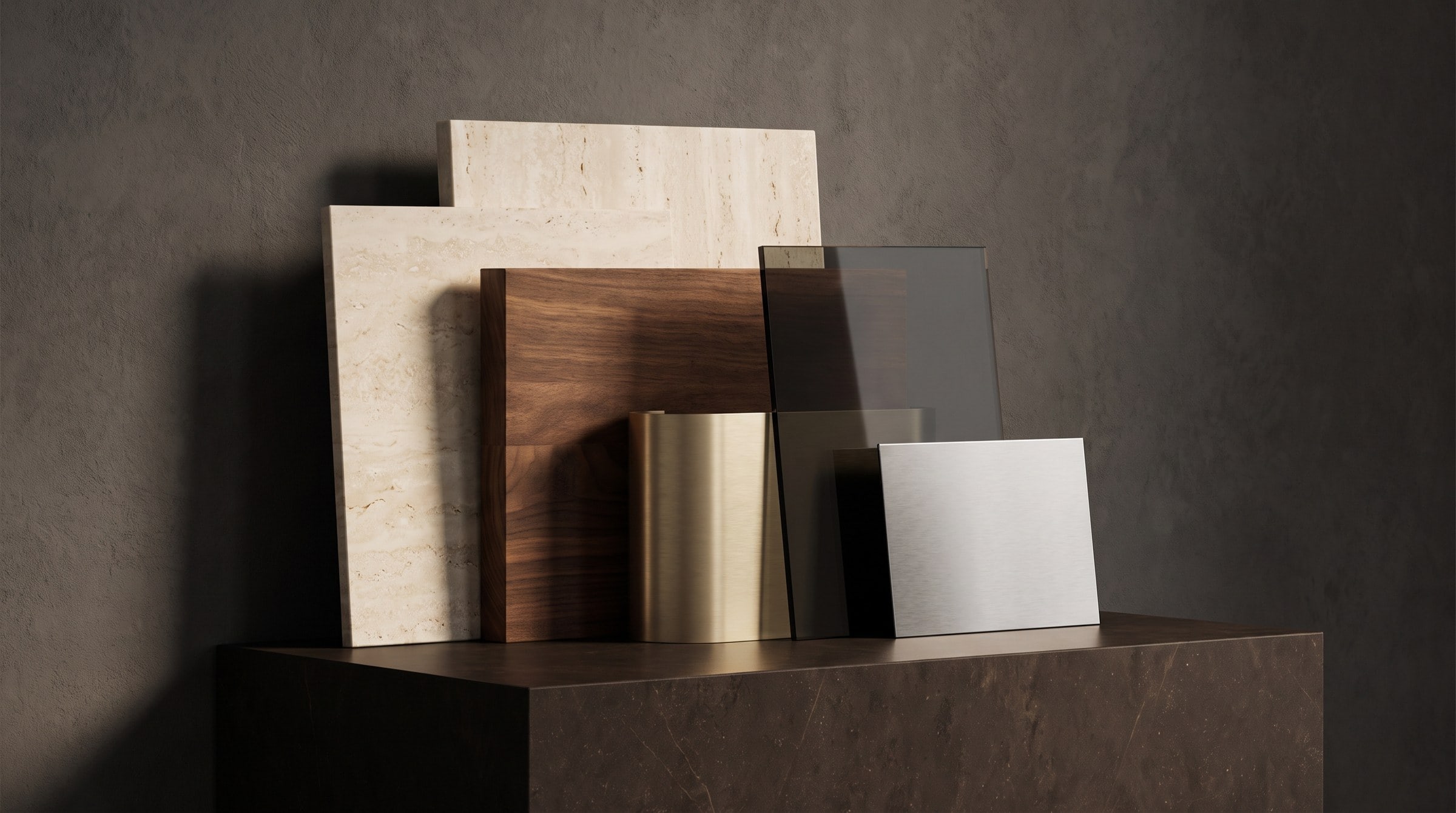
What the European systems actually buy
The word that matters is system. A bulthaup b3 wall is not a set of cupboards — it is an engineered architecture of load-bearing rails, precision carcasses and interior organisation refined over decades, with finishes (lacquers, veneers, aluminium, laminates) produced at an industrial consistency a spray booth cannot replicate. Poggenpohl brings the same German completeness with its own design language; Boffi and Poliform bring Italy’s — cabinetry as furniture, at fashion-house level.
The premium purchases three things: engineering (motion, tolerances, durability of finish), design coherence (the kitchen arrives as one resolved composition, often with the house’s own designers involved), and provenance — the same reason a watch buyer chooses the manufacture. Against that stand the costs: euro pricing in a rand economy, ten-to-sixteen-week manufacture and shipping, and dependence on the local dealer for installation quality and after-care.
What the best local joinery buys
South Africa has workshops doing genuinely world-class bespoke work, and their advantages are structural, not patriotic. Bespoke means the design serves the room rather than the module: awkward walls, curved islands, solid-timber pieces, a scullery matched to the main kitchen — all native territory. Local timber traditions (kiaat, blackwood, oak worked here) give the kitchen a rootedness imports cannot fake.
The practical advantages compound: shorter lead times measured in weeks not seasons, rand pricing insulated from exchange swings, and a maker who returns for adjustments in year three. The honest limitations sit in the same places as the imports’ strengths: finish consistency at scale, engineered internals, and longevity of mechanisms — which is exactly where the hybrid approach enters.
Weighing import against bespoke?
An hour with a senior consultant turns reading into a specification. Complimentary, and without obligation.
The hybrid: local hands, imported hardware
The quiet consensus among experienced designers: have the best local workshop build the carcasses and fronts, and specify the invisible engineering from the global houses — Blum motion systems (hinges, LEGRABOX drawers, AVENTOS lift mechanisms, servo assistance), imported interior fittings, European lacquer systems where the finish demands it.
This captures most of each philosophy’s upside: bespoke freedom and local accountability with factory-grade motion that still whispers after its hundred-thousandth cycle. It is also the rational middle of the budget — well above commodity joinery, meaningfully below full import — and it is how many of the strongest South African kitchens are actually built, whatever the mood boards imply.
- Choose full import if…
- The project is architectural, the budget carries euro pricing, and the kitchen should arrive as one engineered composition with the house’s design authority behind it.
- Choose local bespoke if…
- The space is irregular, solid timber and site-specific freedom matter, timelines are tight, and long-term serviceability by the original maker appeals.
- Choose the hybrid if…
- You want bespoke design and local accountability with imported motion and internals — the pragmatic optimum for most luxury projects here.
The rand, the lead time, the long term
Three South African realities should sit on the table during this decision. Exchange rate: imported cabinetry is priced in euros and confirmed at order — budget honestly and early, because a weakening rand between design and sign-off moves six-figure numbers. Lead time: the imports’ ten-to-sixteen-week clock is the project’s longest pole, as our timeline guide details. Service: mechanisms fail in year eight, not year one; ask any quote — import or local — who replaces a hinge, a runner, a damaged front, and how fast.
Whichever direction wins, the sequence rule from our planning guide holds: appliances are specified first, cabinetry is designed around them, and the interior fittings — the drawers you touch two hundred times a day — deserve the same attention as the fronts everyone photographs. All of it is price-on-application territory; the cost guide shows how cabinetry typically weights within each investment band.
Frequently asked questions
Is imported cabinetry worth it over local joinery?
It depends what you are buying. Full import wins on engineered consistency, system design and provenance; the best local bespoke wins on site-specific freedom, lead time, rand pricing and long-term maker accountability. For many projects the hybrid — local craftsmanship with imported Blum motion and internals — is the rational optimum.
What does bulthaup or Poggenpohl cabinetry cost in South Africa?
Price-on-application, confirmed at order in euro-linked pricing — final numbers move with specification and exchange rate. Indicatively, full-import cabinetry anchors the upper investment bands in our cost guide; cabinetry overall is usually the largest single line in any luxury kitchen.
How long does imported cabinetry take?
Ten to sixteen weeks from signed order to arrival is the honest planning number, sea freight included. Local bespoke typically runs four to eight weeks in a good workshop’s queue. Either way, cabinetry and appliance clocks should start the same day.
What is special about Blum hardware?
Blum is the Austrian reference for motion — hinges, drawer systems and lift mechanisms engineered and tested for decades of daily cycles, with soft-close and servo-assisted options. It is the standard specification for “local hands, imported engineering” builds, and the reason a well-made local kitchen can feel like an imported one every time a drawer closes.
Prepared and reviewed by The Kitchen Affair atelier · Johannesburg · Updated 7 July 2026